
How participatory engagement is shaping the future of Westminster’s built environment
At Neighbourly Lab, we believe the best cities are shaped with the people who live in them.
Planning decisions shape our communities: the homes we live in, the parks we play in and the streets we walk along. As planning shapes our everyday environments, then residents’ voices need to play a central role in shaping those decisions. However, planning policy can often feel distant from residents’ everyday life. It can seem technical, formal and difficult to influence even though they may have strong feelings about changes in their local areas.
Westminster City Council agrees. We were lucky enough to work in partnership with their Planning Policy team to support them to genuinely include residents’ voices early on in their review of their City Plan, the strategic framework that will guide how Westminster grows and changes over the coming decade.
Starting with people, not policies
There were many questions to our work, some methodological and some solutions focused. We wanted to understand the value of the co-designed approach, as well as what exploring what co-designed solutions could be applied to these important questions.
This project, done before any plans or policies had been drafted, was about receiving genuine input from residents to shape the City Plan based on their local knowledge, experiences and insight.
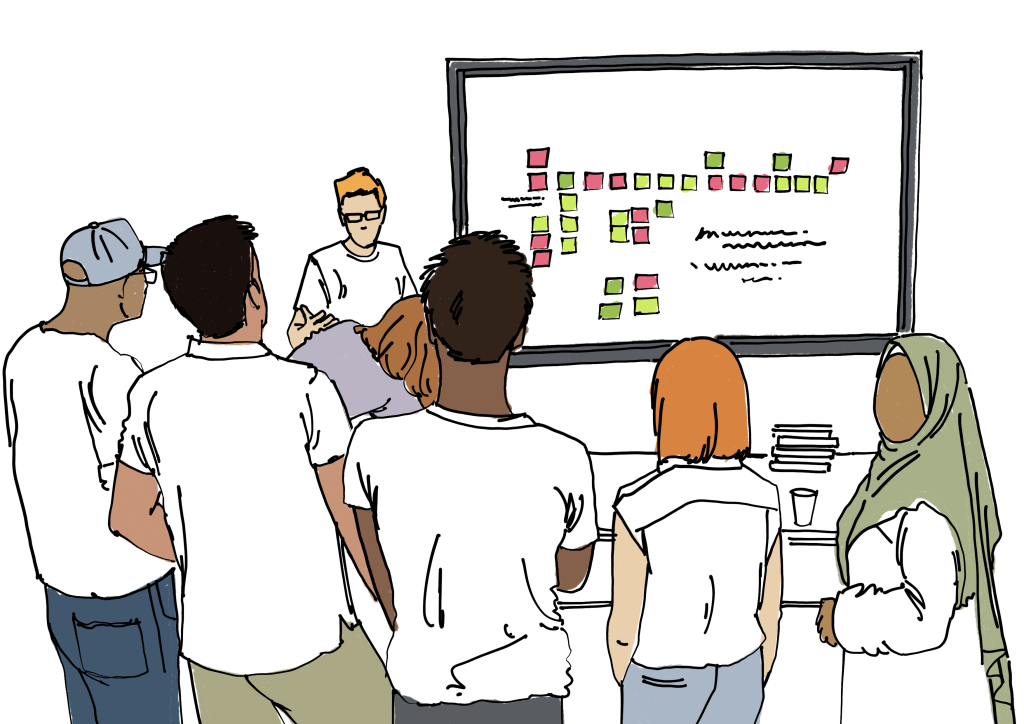
We ran a series of workshops in schools and around the city in community venues, listening to residents from a range of neighbourhoods and backgrounds.
We used a range of participatory techniques, and built Appreciative Inquiry into the workshops, which encouraged residents to move from reflecting what they value today to imagining what their city could become in the future. We used creative methods, facilitated small group discussions and challenged everyone’s thinking by exploring the tensions and trade offs of planning for the future of Westminster. By translating ‘technical language’, the sessions were thought-provoking, positive and allowed for people to voice their ideas.
Residents shared a wide range of experiences of life in Westminster. Some described strong community networks and local pride, alongside concerns about housing quality, overcrowding and safety. Others highlighted the city’s cultural vibrancy, heritage and global character.
Bringing young people into the conversation was a highlight for the team
One of the things we care deeply about at Neighbourly Lab is ensuring that engagement reaches people who are rarely involved in policy making, systems thinking and planning conversations.
For Westminster, this included bringing young people into the City Plan process. We facilitated a “Build Your City” immersion day with secondary school students, where they imagined the future of their neighbourhood through creative design activities. We trained the Westminster team in facilitating this session and worked together to create a dynamic day.
Young people told us how it was important to them that their city had safe spaces, with climate-ready buildings and places to spend time with friends that were suitable for their age. Their ideas were imaginative, practical and often, refreshingly direct.
Shaping the direction of the City Plan
Gathering residents’ perspectives helped build a richer picture of the city — one that recognises both Westminster’s strengths and the everyday challenges residents navigate. What stood out most was that residents were not resistant to change. Many recognised the need for more homes and new development but they wanted growth to work for their communities, not just take place around them and leave them behind.
The emerging vision focused on creating mixed and balanced communities where people can access good homes, employment and a high-quality environment. Key aspirations included increasing housing delivery, supporting inclusive and safe neighbourhoods and improving spaces in the public realm and the community infrastructure across the city.
These are the foundations of Neighbourly Lab’s social infrastructure mission area. It focuses on the networks of spaces where everyday connections happen and that help communities to thrive. As cities grow and change, planning policy has a crucial role in protecting and strengthening this social infrastructure.
The insights gathered through these workshops have helped to inform Westminster’s Direction of Travel for the new City Plan, which sets out the priorities guiding the next stage of policy development.
Why this work matters
This early engagement went beyond the statutory consultation requirements, reflecting the council’s ambition to involve residents more meaningfully in shaping planning policy.
Kimberley West, Head of Planning Policy said:
“Planning policy documents and consultations can be technical, dry and inaccessible, yet they have a significant impact on how people experience their city. Our ambitions were to help residents to understand how the City Plan was relevant to them and make them feel they have had a genuine input into shaping the plans for their city; we wanted to hear from a wide range of perspectives to build a clearer picture of the diverse needs of the city. By designing an engagement process with resident’s needs, rather than the council’s processes, at the forefront, Neighbourly Lab provided a brilliant framework within which to support us achieving these ambitions. It was a pleasure to meet so many residents who had never engaged in planning policy before and to hear what their hopes and ambitions were for Westminster’s future.”
From Neighbourly Lab’s perspective, this is how participatory approaches can make a real difference. They reveal the lived realities behind policy debates, helping decision-makers understand how people actually experience their city and what change should look like from their perspective.
For more information about our work on social infrastructure and the built environment please email nick@neighbourlylab.com