
Exploring the Power of Green Spaces for Wellbeing
By Rebecca Nichols
This month, Rebecca Nichols, our Junior Researcher, had the opportunity to attend a webinar hosted by the National Academy for Social Prescribing (NASP), where key findings from the two-year “test and learn” programme were shared. This programme, launched by HM Government, explored how green (nature-based) social prescribing (GSP) could play a role in preventing and addressing mental ill-health. The insights from this research are an important step toward creating healthier, happier, and more connected communities—and align closely with the work we’re doing here at Neighbourly Lab.
The research revealed some key takeaways, particularly around the current limitations in evidence for GSP. One key challenge is the lack of standardised data collection, which means that outcomes are often fragmented and not fully understood.
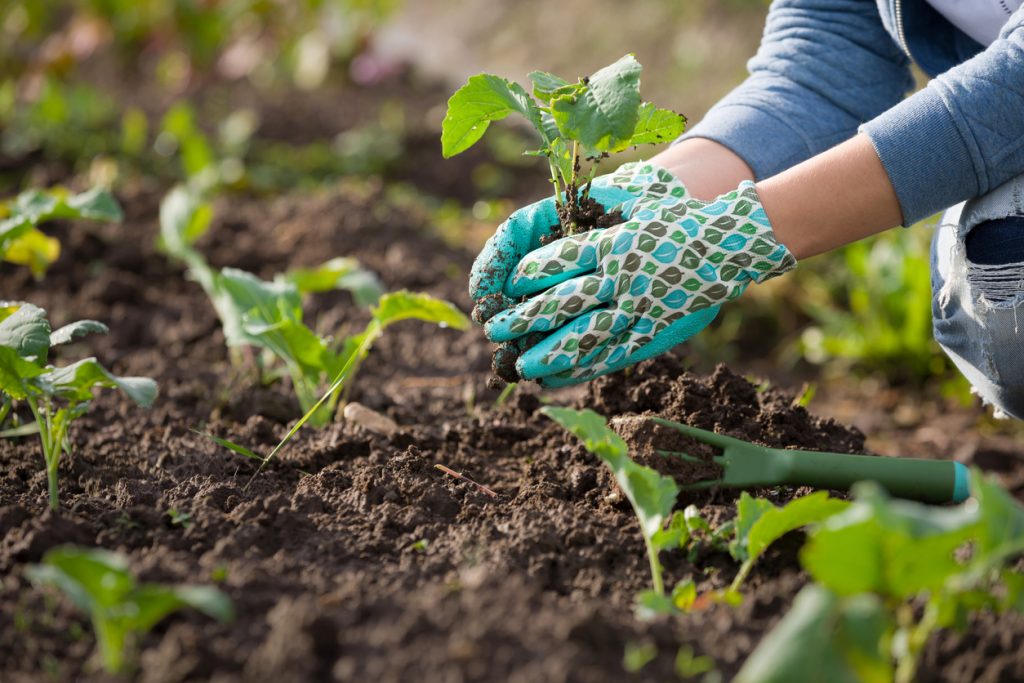
Additionally, the role of voluntary, community, and social enterprise (VCSE) partners in referring and engaging individuals with GSP programmes was highlighted as essential. However, limited collaboration and knowledge-sharing between statutory bodies and VCSE organisations have posed challenges in both the design and delivery of these programmes.
The referral system is often fragmented with a significant lack of knowledge about GSP from both practitioners and users. Although positive perceptions of GSP were found, this lack of awareness has meant that fewer people are being directly referred to GSP programmes. This is an issue that can be addressed with better awareness and communication.
At Neighbourly Lab, we’re also looking at how nature-based prescriptions can benefit specific communities, like veterans. We have an ongoing project with the Defence Gardens Scheme (DGS), evaluating their nature-based prescription programme, exploring the benefits of how time spent in nature can support veterans’ mental health and wellbeing. This is part of a broader understanding that spending time outdoors and engaging with nature offers real, tangible benefits.
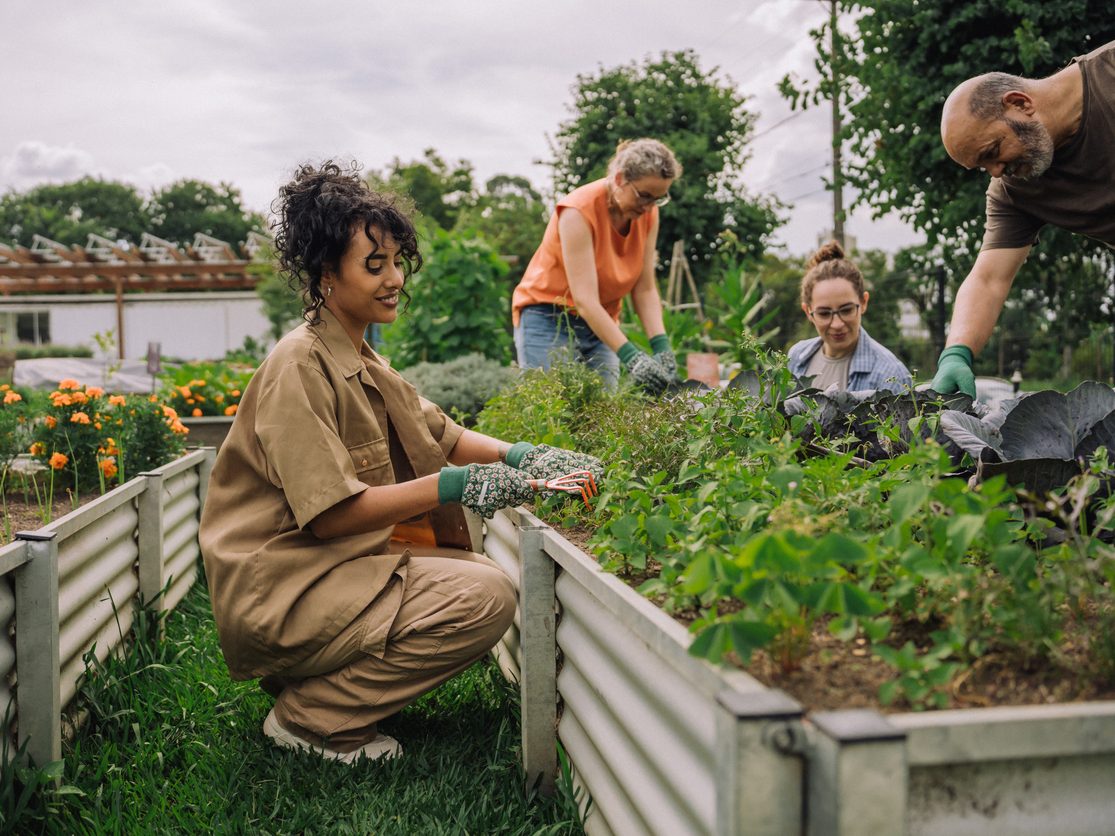
The importance of spending time and doing activities in nature is not a new discovery and in each of our projects, it becomes more and more evident. In 2024, we worked alongside Kingston Council to explore the barriers residents face when accessing green spaces.
In our work with Kingston Council in 2024 where we looked to understand the barriers that residents face to accessing green spaces, we discovered that to make nature truly accessible to all, we need to ensure it’s not only physically accessible, but also welcoming. Directly and meaningfully engaging with local communities to understand what kinds of activities they’d like to see in their green spaces was key, as well as ensuring the entrances, exits, and pathways are wide and smooth enough for people with a disability to use. This can make a huge difference in the uptake of usage.
While these are just a few of the recommendations that emerged from our research, they echo the findings from the NASP and HM Government programme, showing how important it is to remove barriers to accessing green spaces for everyone.
For more insights from the NASP webinar, you can access the full session and related resources here: NASP Webinar on Green Social Prescribing.
The full report from the HM Government’s green social prescribing evaluation is also available here: Green Social Prescribing Test and Learn Pilots Report.