
Men to Boys: Thinking differently about young male refugees and building better connections for them locally
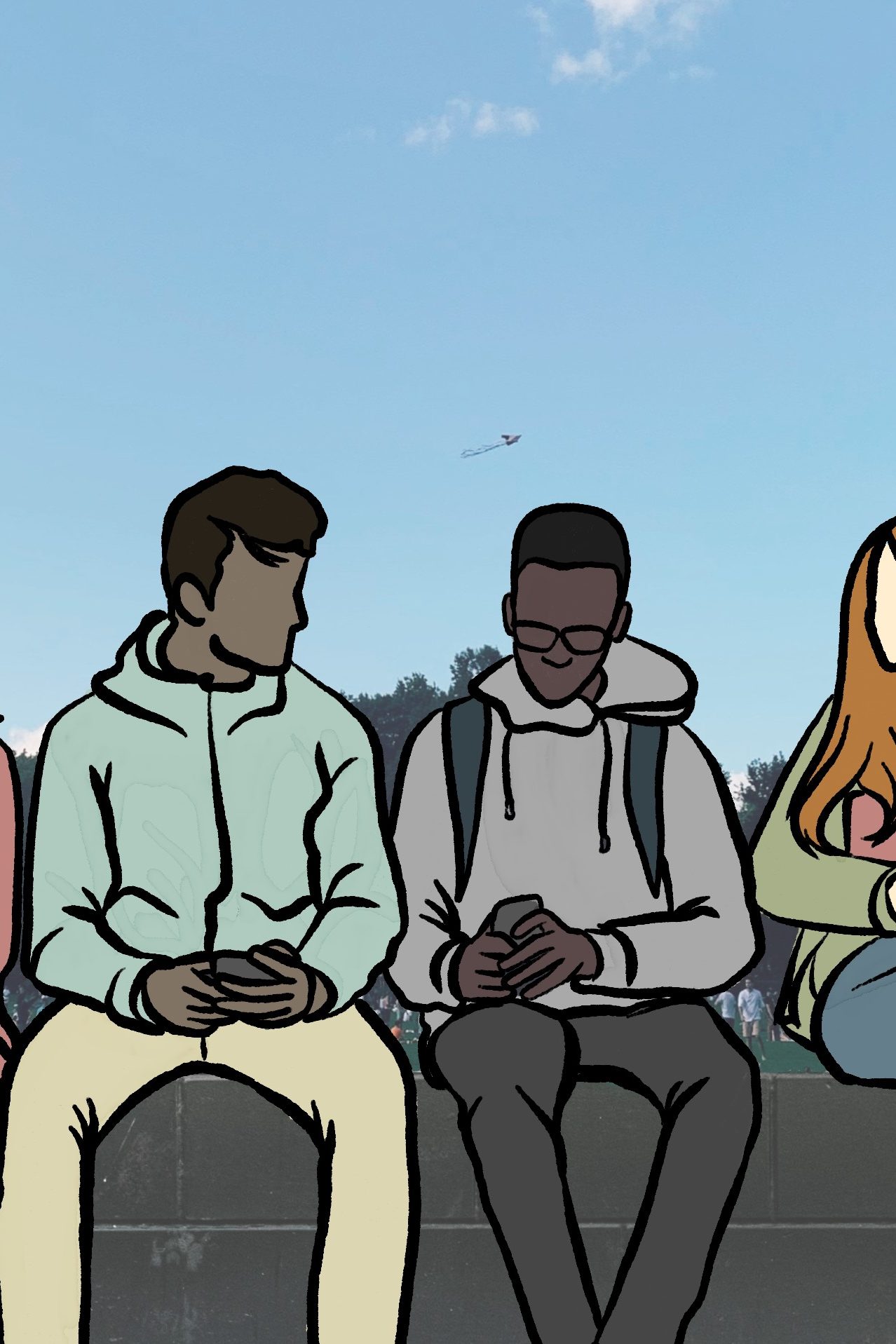
In this short piece, we share some thought provoking insights about how we take care of young male refugees as they move through the asylum system. We invite botha reframing of how the systems and services see them, as well as how these services work with them, and then we put in place necessary support in collaboration with them. Fundamentally, it is important to remember that these young males aren’t independent, thriving men, they are marginalised and excluded young people in need of connection, trust in services, care and support.
All the insights and ideas were co-created with the young males.
Background
Over the past year, a cohort of young refugee men (aged 19-23) has grown and begun presenting at NEWway, Newham’s Rough Sleeper Day Service and Night Shelter charity, an incredible service but one that’s not specifically designed for this cohort of people.
NEWway, and LB Newham’s Welcome Newham Team wanted to explore why this was happening, what was going on for them that led to them rough sleeping and essentially, what needs to change to support them. They had an initial hypothesis that:
- Being granted refugee status and the immediate challenges faced in the transition and integration process, including finding new accommodation was causing homelessness
- The importance of their rootedness in place and attachment to Newham, meant they might be opting against accommodation options outside of Newham
- The wider policy environment at a national level limiting the options for this group and the level of support available to them
Neighbourly Lab, with support from LSE and funding from COLIF worked with NEWway and the Welcome Newham Team to explore these questions in depth so that we could better understand the lived experiences of these young refugee men, their needs, motivations, and the barriers they experience to taking up particular support and accessing information. We developedmini tailored intervention ideas with the young men to better support them anddesigned policy recommendations to address these needs in partnership with experts and these young men with lived experience.
Key insights:
We learnt that the problem is bigger than housing. It is bigger than place. It is how these young people are seen by the current system and by collaborating differently, local councils can make a positive difference and prevent these young males from facing multiple exclusions
Problem 1: They are being treated like men, but they are emotionally equivalent to teenage boys.
They are young people who are not equipped with maturity or life skills to be independent young adults.They arrive disoriented, with no education, low level skills, and limited English proficiency to be expected to find employment.
Problem 2: They don’t understand how the asylum or housing system work, and why they are moved around
It’s complicated and confusing, it feels like it is ever-changing and they don’t know what the correct information source is. They’re vulnerable and frightened. When their status is granted, it doesn’t bring about peace of mind, as they are not clear of what the next steps are and how their future could map out. The messages they receive are inconsistent or incorrect, resulting in frustrations and disappointment. Misconceptions around what their ‘rights’ are shape their expectations and decisions. They don’t appear to be ‘working the system’ but figuring it out reactively and with incoherent guidance. This process is too complicated for them.
Problem 3. These young males are in survival mode and focused on the short term.
They have a clear hierarchy of needs, and can’t look into the future until key things are met – safety, housing, security, basic social contact. Many see learning English as a core need and many prioritise working on this, even when homeless. Prolonged survival mode risks entrenching dependence and delaying integration, they need supported interventions such as mentoring, structured activities, stable housing to shift from coping to thriving.
Problem 4: Life in hotels hinders integration
Hotel accommodation, the first point of contact with the UK, keeps them separate from wider society, with no work or language learning opportunities. This fosters isolation, reinforces dependence, and delays integration into UK life. Early intervention support in hotels seems to improve outcomes and integration, and they need services to go in to support them, as they don’t know about finding services
Problem 5: They have a lack of anchored pastoral support from the start.
Some said that they don’t understand what the role of support needs to be, and they don’t understand why certain decisions are made for them. They often find support by chance, rather than a structured process that guides them through their experiences. They respond best to ongoing relationships with trusted adults who provide coaching, buddying, and consistent guidance (mentors, teachers, key workers). In general they are missing out on solid, supportive relationships
Problem 6: Their peers are really important, but they don’t trust their advice
Their lives are too unstable to rely solely on peers for support & peers don’t provide support in the way they need. They spend time with peers but often keep vulnerabilities private and share little useful information to help navigate their situations
Problem 7: They focus on moving to England and only know about opportunities in London
Many only see London and England as the best place in Europe to find work, learn English, and build a social network. They often don’t know similar opportunities exist outside of London, leading to unrealistic location preferences. They value language, education, job opportunities, and others in their situation in prioritising where they want to live, as meeting people in similar circumstances helps them to develop roots
Key opportunities
As we can see from the problems outlined above, our insights challenged the original hypothesis, and surfaced simple intervention opportunities. Most striking was the key opportunity around supporting these young males to access advice and information through a range of service providers who don’t tend to work with them currently, but do work with other young people who experience adverse conditions and inequalities. So much more than a ‘housing only’ solution.
We prototyped a ‘meet and greet’ informal intervention, an event that brought the young males and a range of youth workers, language support, refugee, homeless support and housing service providers, to meet each other, give information, learn about the young men’s needs, and take learnings to tailor services to meet their needs more effectively. It resulted in a range of very practical, low-cost, high impact solutions and collaborations supporting these young people.
Outcomes
Since sharing the recommendations, and holding a policy workshop, we are delighted to share that LB Newham has been carrying out targeted support in hotels with young people, working with youth workers. They’ve been taking them to the Youth Zone, where they’ve had access to the gym, music classes, football, language support amongst other things. They’ve reached about 23 people so far. In addition, they’re developing a work book to help these young people understand and collate what local support is available.
Importantly, they are building trust with organisations that can support them and knowledge and understanding of the different pathways open to them. Despite it being hard to get them involved at first, they are able to see people are on their side.
Reflections
Thinking about a ‘problem’ from another perspective, can bring new solutions – solutions that are preventative, straightforward by working with assets already in the community, as well as challenging norms of how departments that don’t work together, can work together.
If your borough is facing similar challenges. Please get in touch with Marnie and we’ll share more about the process and interventions: marnie@neighbourlylab.com