Social Infrastructure for Young People
By Rebecca Nichols
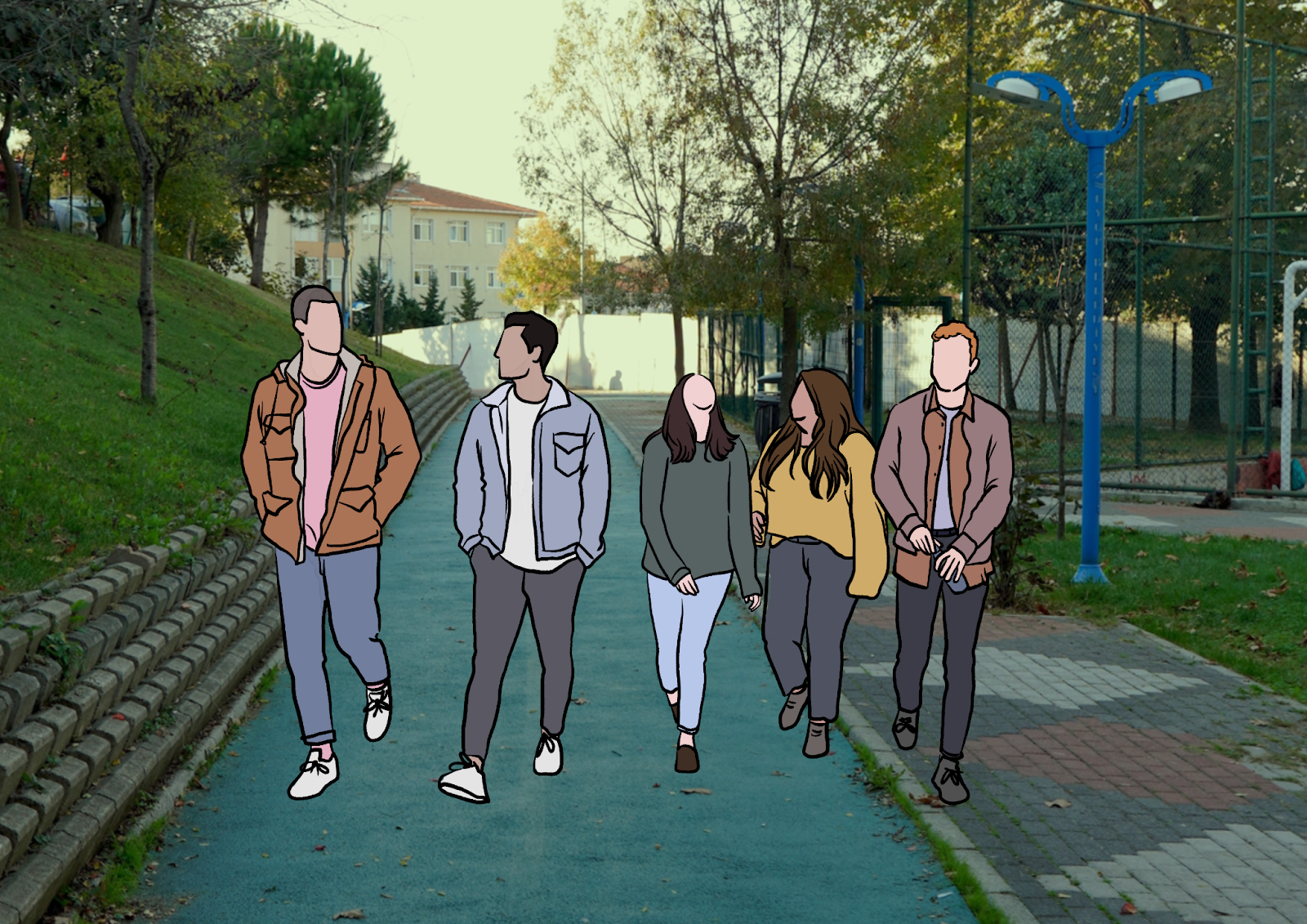
At Neighbourly Lab, we define social infrastructure as the physical and digital spaces that support on- and off-line connection. This can include parks, food banks, community halls, or WhatsApp groups, social media platforms, or AI. Yet, when we as a sector think of social infrastructure, it is largely based upon the needs and wants of adults’.
There is limited exploration of what exists for young people, and more specifically, what is beneficial to them as they grow through periods of intense transition into adulthood. With so much change and expanding networks as they become more independent, the social and cultural infrastructure designed for young people has to be able to adapt.
I recently read this report by the London Development Trust, which is a valuable resource for understanding how young people see social infrastructure and its importance in their lives. Some key takeaways for me are:
- Having a sense of stability and safety is foundational to young people’s engagement with infrastructure.
- How infrastructure is accessed and experienced is equally as important as what the infrastructure is.
- Infrastructure for young people needs to be local, inclusive and aspirational.
The report also points out how young people’s ability to access social and cultural spaces is limited to the local area, so they often have fewer opportunities than adults. For some, these restrictions are further compounded by concerns of safety and affordability and so those who most need social and cultural infrastructure are also those who face the highest barriers to accessing it. Another key point from this report is the value of people in helping young people to feel safe, like they belong, and develop their own infrastructure.
Overall, an excellent read which demonstrates why the importance of people should never be underestimated – it is through our connections with others that our communities are built.
Alongside our work with property developers, housing associations, and local authorities focusing on social infrastructure, we are excited to be exploring how technology and social media are part of the fabric of young people’s digital social infrastructure.

Some ways these platforms support young people are:
- For younger teenagers, comms platforms (i.e., Snapchat and iMessage) help them to develop their own social circles, establishing a network of support and friendship.
- As young people often find messaging online quicker and simpler than in-person conversations, they experience fewer barriers to meaningful communication and connection.
- These platforms can allow close relationships to be maintained despite physical distance – it helps young people stay connected with those they care about through online everyday interactions.
- Whilst some apps keep young people glued to their phones, some platforms are key to enhancing the in-person lives of young people. They can act as a reflective space to interpret things happening in real life, or can enable young people to arrange in-person events and activities.
- For those going through a period of significant transition (i.e., moving school or to university), online networks can act as a ‘safety blanket’, reassuring young people of their already existing friendships and giving them confidence to become more independent.
Young people can use these online platforms as a tool for social connection. They have developed networks of trust and community that span from their local area to the other side of the world. With such a diverse array of groups, platforms, and channels, it’s understandable why so many young people find a sense of belonging online.
This isn’t to say there aren’t risks with tech and social media, but our focus remains on the benefits of the online – in doing so, identifying how it allows young people to flourish. Tech, particularly social media, is a convenient and direct source of connection and must be included in our understanding of how spaces and places are designed for social connection and community interaction.